
Blog
Putting Pittsburgh’s Tech Story on the National Map: A PR Case Study
June 5, 2026 | Christina Forrest

Photo Credit: Allegheny Conference on Community Development
Media interest comes down to strategy, character and – sometimes – a cold-calling mayor
By: Christina Forrest, Vice President of Violet PR
Pittsburgh has always had a story worth telling. The hard part was getting the rest of the country to listen. For years, the national picture of the city stayed frozen somewhere between steel mills and “terrible towels” being waved on game day. But the real Pittsburgh had continued to grow. It was building a robotics ecosystem, growing an AI talent pipeline anchored at Carnegie Mellon, and quietly becoming a place where serious companies wanted to put down roots.
In 2025, the local startup scene raised $1.48 billion, its strongest venture year since 2019, powered by later-stage AI deals from companies like Abridge, Skild AI and Gecko Robotics (Fast Company).
Our job, working alongside our client, the Allegheny Conference on Community Development, was to close the gap between the Pittsburgh that existed and the one people still pictured.
This Spring, Three Pieces of Coverage Did Exactly That
Fast Company made the case that Pittsburgh has a real shot at becoming the next great tech hub.
Inc. caught founders off guard with a story about the mayor personally cold-calling tech CEOs.
Business Insider picked up the same thread for a national business audience.
Three outlets. One story. A city that wants you there, and a mayor willing to pick up the phone and say so.
The Strategy Behind the Headlines
Boutique firms like Violet PR win when they find the human angle inside a complicated economic development story. National reporters don’t want a press release about job numbers. They want a character, a turning point and a reason to care right now.
We had all three.
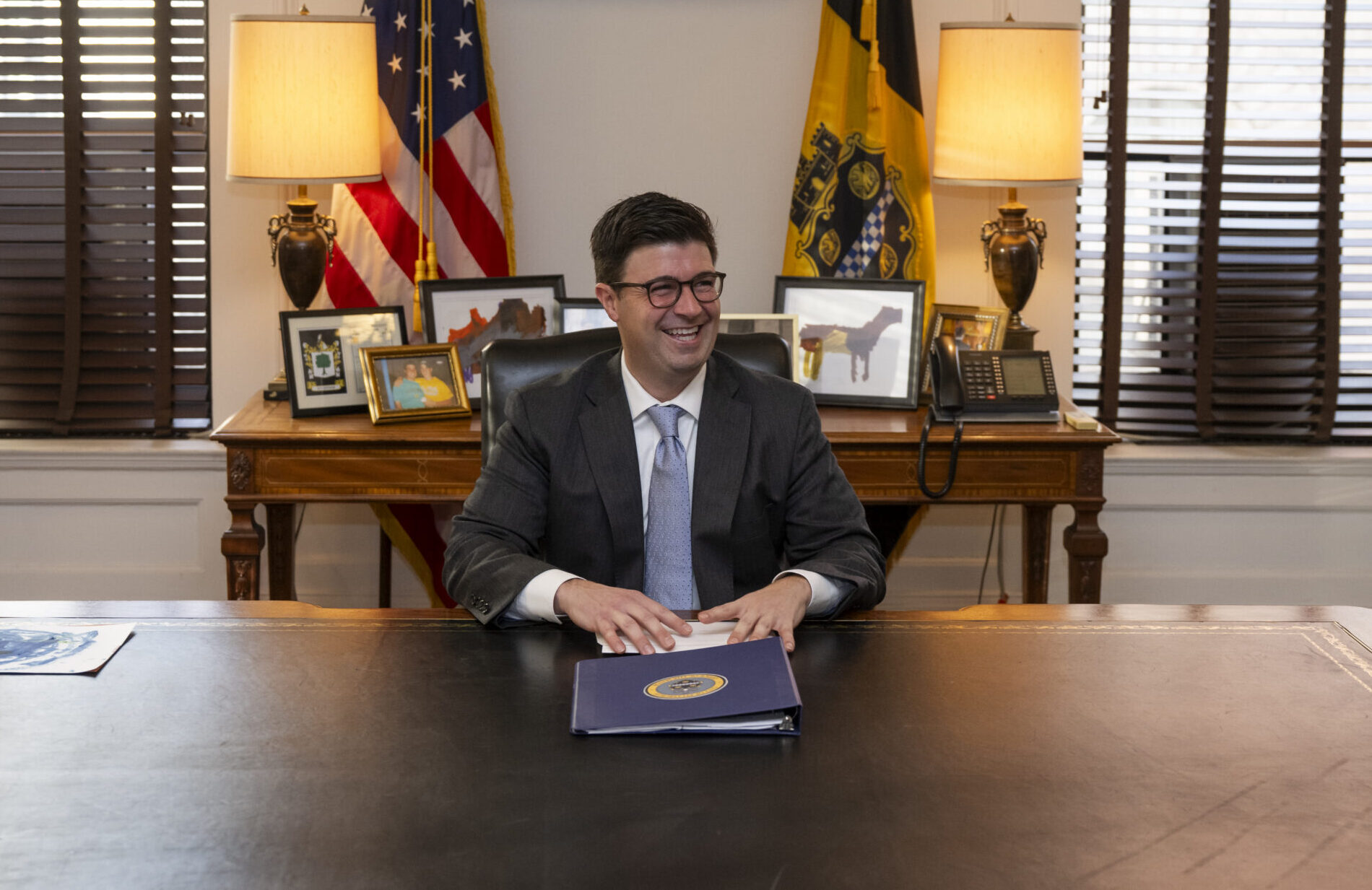
The character was Mayor Corey O’Connor. Two months into office and already 175 cold calls deep into a thank-you tour of local business owners. “Please, please, please don’t hang up,” he told one founder. “It’s not a prank call.”
The news hook was Factify. The global AI company, fresh off a $73 million seed round, had chosen Pittsburgh as its first U.S. hub over New York, Boston and San Francisco. As Allegheny Conference CEO Stefani Pashman put it, “The Pittsburgh region is not just a place where companies are launched, but also a place where companies come to build core systems and technologies.”
The reason to care was timing. The NFL Draft was about to bring hundreds of thousands of visitors into the city, and Pittsburgh used that moment to introduce itself as more than a sports town.
Why This Works for Cities
Every metro in the country is chasing the same talent and the same capital. What separates the cities that break through from the ones that get overlooked is a willingness to lead with a real story instead of a list of statistics.
And what does this look like in practice – at the boutique agency level?
Big agencies pitch wide and hope something sticks. We do the opposite. We build relationships with specific reporters at the outlets that matter most to a client, then we bring them stories worth their time.
That’s how a regional economic development client lands in Inc., Fast Company and Business Insider at the same time. Not because we emailed a thousand reporters. Because we knew the right three.
The reality is that coverage like this doesn’t happen overnight. It starts weeks before a story appears online.
First, our team identified a narrative that could resonate nationally. Pittsburgh’s emergence as an AI and technology hub wasn’t new, but the combination of Factify’s decision to establish its first U.S. presence in Pittsburgh and a newly elected mayor personally calling business leaders created a fresh and highly human angle.
From there, timing became critical. The NFL Draft was approaching, bringing unprecedented national attention to Pittsburgh. We knew reporters would already be looking at the city through multiple lenses. By aligning our outreach with that moment, we were able to broaden the conversation to showcase the region’s innovation economy.
But wait, there’s more…
Behind the scenes, success required extensive coordination among stakeholders: economic development organizations, city leadership, business leaders and company executives all had roles to play. Messaging needed to be aligned. Interviews had to be scheduled quickly. Background materials had to be prepared. When opportunities emerged, the team was often turning around information, data points and executive availability within hours.
Equally important was understanding what each reporter cared about. Fast Company was interested in Pittsburgh’s broader position within the national innovation economy. Inc. gravitated toward the entrepreneurial and leadership aspects of the story. And Business Insider focused on what differentiated Pittsburgh from larger coastal markets competing for the same talent and investment.
Rather than delivering one generic pitch, we tailored the story for each outlet while ensuring the underlying narrative remained consistent.
What Comes Next for Pittsburgh
The result, of course, was a coordinated wave of coverage that reinforced the same message across multiple influential audiences. That is:
Pittsburgh is no longer proving itself, it’s showing what it’s become.
So, for the city, that’s the real win: national validation that strengthens recruitment, investment attraction and long-term economic growth.
For Violet PR, it’s a reminder that the most effective economic development campaigns don’t just generate headlines. They change perceptions.
If your city, region or organization has a story that deserves a bigger audience, let’s talk. Reach me at christina@violetpr.com or learn more about our work at violetpr.com.