
Blog
From Malls to Main Streets: What’s Driving Retail Redevelopment in New Jersey?
May 1, 2026 | Violet PR
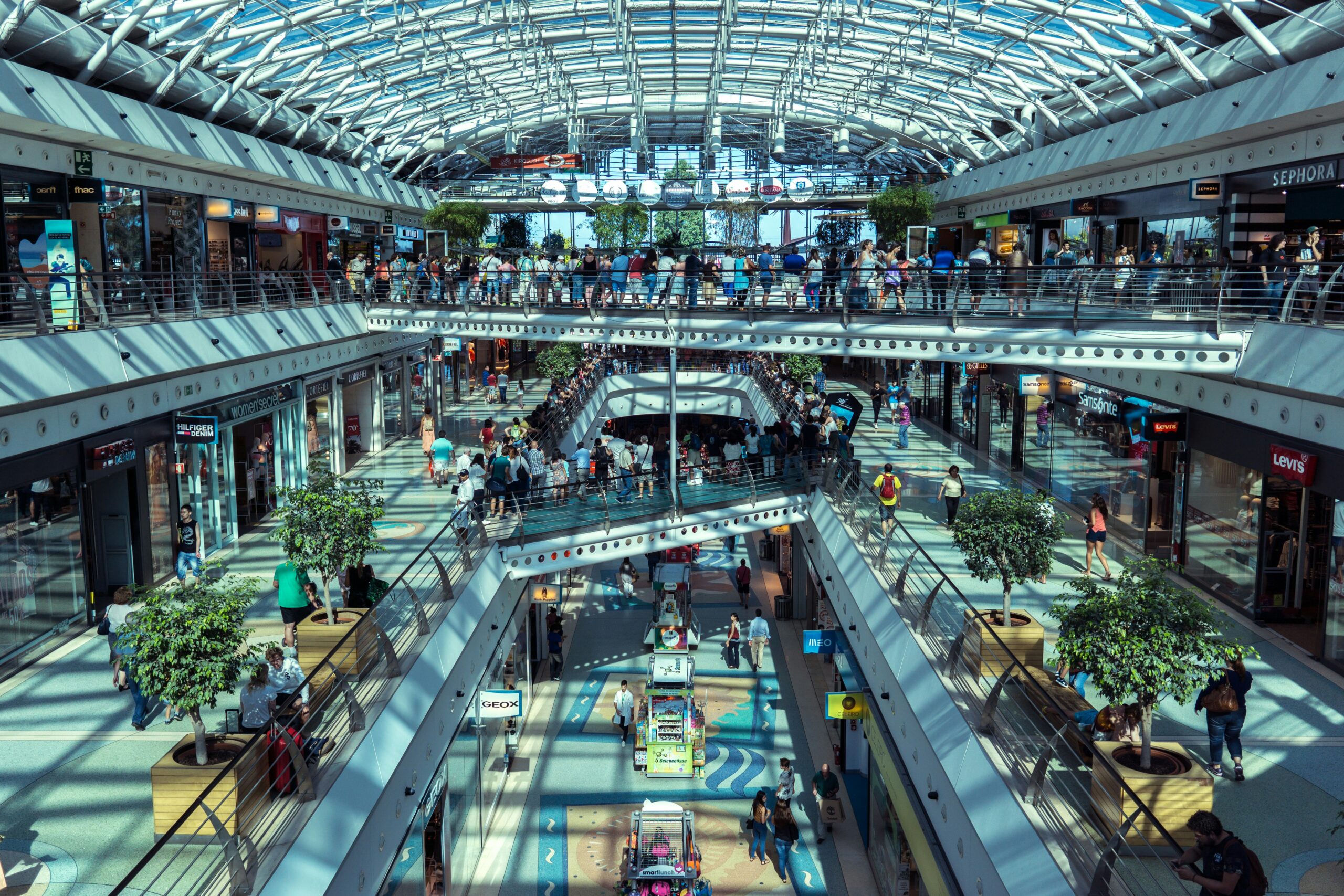
How Strategy, Storytelling and Community Buy-In are Reshaping Retail into Curated, Experience-Driven Destinations
By: Amanda Ferraro, Account Director
At the latest event hosted by Real Estate NJ, a forum called “Retail Reimagined,” one theme came through quite decisively: The future of retail in New Jersey is not just about shopping but about creating places where people can live, work and spend time.
Across two panels featuring developers, lenders, brokers and public-sector voices, the conversation centered on how mixed-use redevelopment, community engagement and food and beverage strategy are reshaping the state’s retail landscape.
Outlined below are some key points from the event, along with communications/public relations takeaways to keep in mind as “what ifs” become reality.
Community Buy-In Is Non-Negotiable
Beyond local officials, the broader community plays a defining role in whether projects succeed or stall.
Panelists stressed the importance of proactive engagement – not just reacting to opposition but actively identifying and mobilizing support.
Social media has amplified community voices, making it even more important to tap into what one speaker described as the “quiet majority.” Understanding where support exists and how to amplify it can be just as critical as addressing resistance.
Some considerations for PR: Refining your message is extremely important, but you want to also ensure you’re making your press splash at the right time. Just as critical is lining up credible, community-based validators early – local business owners, residents and civic voices who can reinforce your narrative before opposition defines it.
The Power and Challenge of Food and Beverage
If there was consensus across panels, it’s this: food and beverage is essential to modern retail.
Restaurants are no longer just an amenity; they’re viewed as anchors. High-quality dining options drive foot traffic, extend dwell time and help define a project’s identity as a true destination.
But in New Jersey, executing that vision comes with unique challenges. The state’s liquor license laws were repeatedly cited as a major hurdle. With strict caps, high costs and complex transfer rules, securing a license can be one of the biggest barriers to attracting top-tier restaurant operators. In some cases, developers are even stepping in to help finance or secure licenses to land the right tenants.
Despite these challenges, demand for food and beverage space remains strong. And while BYOB culture is widely accepted by consumers, many operators, especially those entering from out of state, still see the lack of a liquor license as a limiting factor.
Liquor license complexities can pose early challenges, but the fundamentals still apply: having the right team in place is critical, not only to navigate regulations, but to position the project to attract the right retailers.
From a PR standpoint here, it’s important to clearly communicate how you’re navigating these hurdles – be it through creative partnerships, phased openings or policy engagement – to build confidence among both operators and the community at large.

Curating the Right Retail Mix
“Curation” was another top buzzword. Successful retail isn’t about hitting a specific tenant ratio; it’s really about thoughtful curation.
Developers are focusing on assembling a mix of uses that serve both daily needs and lifestyle experiences. That means everything from grocery stores and salons to quick-service restaurants and destination dining.
Amenities are increasingly tied to office and residential components, helping create environments that support a full day’s worth of activity. But panelists cautioned that retail still requires intentional design – visibility, access, signage and parking remain critical fundamentals that can’t be overlooked.
Curating the right mix of retailers is a golden opportunity to position really meaningful stories that speak to the needs and demand from the community. That also means elevating the “why” behind each tenant – using storytelling to show how the mix was intentionally built to reflect local identity, meet evolving consumer habits, and to create a cohesive destination.
Looking Ahead
If this discussion has made anything clear, it’s that New Jersey’s retail future is both complex and full of opportunity. There’s capital in the market. There’s demand from tenants. And there’s a growing playbook for transforming underperforming retail into vibrant, mixed-use destinations.
But success depends on navigating a highly regulated environment, building strong municipal and community relationships, and delivering experiences that go beyond convenience. In short: the next generation of retail isn’t just about where we shop – it’s about where we gather.
Today, the way in which that story is told has become critical in project realization. So, if you are focused on attracting retail tenants or potential shoppers, diners and visitors to your next project, reach out to us today at hello@violetpr.com!